


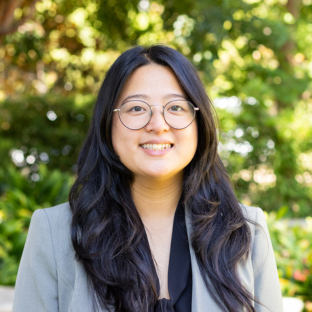
Isabella McShane
Research Coordinator, Community Health Project Los Angeles
Isabella McShane is a health equity professional and advocate committed to advancing harm reduction, reproductive justice, and equitable access to care for underserved populations. She graduated from Occidental College in 2019 with a Bachelor’s Degree in Urban Environmental Policy and a minor in Public Health, and is expected to graduate from UCLA with her MPH in 2027.
Isabella is currently a Research Coordinator at Community Health Project Los Angeles, working in the field of harm reduction to contribute to the overall health of the community. She currently coordinates CHPLA’s participation in a NIDA-funded multi-site clinical trial comparing onsite syringe service program-based buprenorphine treatment referral to community referral for individuals with opioid use disorder.
Her prior experience includes policy work at the Center on Budget and Policy Priorities in Washington, D.C. There, she held two internships focusing on the critical intersection of housing and health and housing integration strategies to improve the lives of people with low and moderate incomes.
In addition to her professional work, Isabella is a postpartum and abortion doula, providing trauma-informed, nonjudgmental support to clients, which includes pregnant and parenting people who use substances. Her doula practice centers harm reduction principles and prioritizes dignity and autonomy while meeting clients where they are.
Isabella is also actively involved in community organizing with the Chinatown Community for Equitable Development, where she contributes to mutual aid efforts and tenant organizing to address displacement and housing inequities. Across all of her work, she is dedicated to building more community-driven systems of care.
How do you spend your free time?
“In my free time, I like to try new restaurants and cafes, play video games, and belt out ballads in the karaoke room.”
Why did you join the EMPH program?
“The focus of my career has been identifying and applying interventions that create meaningful change while helping people navigate complex and often exclusionary systems. I joined the Executive MPH program to build on this work and strengthen my advocacy for communities both on the ground and in policy spaces.”
- EMPH Class of 2027